Posts

Showing posts with the label Poultry Diseases And Infections

The Invisible Gas That Damages Your Flock Before You Notice

Image
Ammonia is the silent troublemaker in a poultry house. You don’t see it, but your birds feel it. Watery eyes, slow growth, noisy breathing and that harsh smell that tells you something is already going wrong. Here’s what matters. Ammonia doesn’t rise because your birds are “stubborn” or because the season is bad. It rises because moisture, poor airflow, and wet litter create the perfect gas factory. Fix those three for your birds breathe easier and grow better. Let’s break down five practical ways to keep ammonia low without spending your whole profit. First, open up that house. Ventilation is your strongest weapon. Fresh air dilutes ammonia faster than any product on the shelf. Even in cold weather, you need controlled airflow. Small gaps, lifted curtains, a simple vent window — anything that keeps stale air moving out and fresh air coming in. Second, don’t let your litter stay wet. Wet litter is ammonia’s home base. Turn it. Break crusts. Replace patches that are soaked. If you can f...

Poultry Aspergillosis

Image
Aspergillosis is a life-threatening fungal disease occurring in birds of all ages, though it is extremely dangerous for chicks. Aspergillosis is caused by the fungus Aspergillus fumigatus and other species like it and thrives where there is damp, moldy litter, feed, or poorly ventilated poultry housing. Causes • Contaminated feed and water. • Stale bedding or litter materials (wood shavings, straw). • Poor ventilation and damp housing conditions. • Breathing fungal spores that settle into the respiratory tract. Symptoms • Chest tightness or pressure. • Gurgling or rattling sounds within the chest. • Loss of appetite and stunted growth. • Listlessness and ruffled feathers. • High chick mortality. Prevention • Use dry, clean litter and non-moldy feed. • Provide adequate ventilation for poultry houses. • Regularly disinfect poultry equipment and houses. • Avoid overcrowding of birds. • Provide proper nutrition to boost immunity. Treatment There is no very effective cure when...

Poultry Colibacillosis

Image
Colibacillosis is one of the most common bacterial diseases in poultry, caused by Escherichia coli (E. coli). It can affect broilers, layers, and breeders, leading to significant economic losses due to poor growth, reduced egg production, and increased mortality. It can be transmitted horizontally through feces, dust, water, and feed or vertically infected breeders through eggs. Causes of Colibacillosis Causative Agent: Avian pathogenic E. coli (APEC). Predisposing Factors are: • Poor hygiene and contaminated litter, feed, or water. • Poor ventilation and high ammonia levels. • Overcrowding and stress. • Concurrent infections (Newcastle Disease, Infectious Bronchitis, Mycoplasmosis). • Wounds (pecking injuries, infected navels in chicks). Symptoms of Colibacillosis The clinical signs of colibacillosis are: • Loss of appetite (poor feed intake) • Depression, dullness, ruffled feathers • Reduced growth and poor feed conversion in broilers • Drop in egg production in layers •...

Pendulous Crop

Image
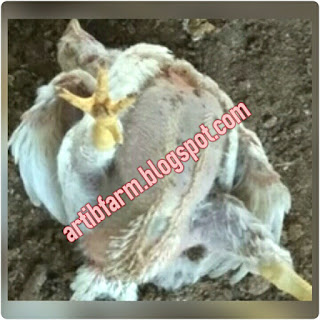
Pendulous crop (pendulum, baggy or drop crop) in poultry is a condition where the crop becomes abnormally enlarged, sagging and distended. It usually feels like a water-filled balloon hanging on the chest. Crop is the pouch in the bird’s neck that stores food before digestion.  Causes Of Pendulous Crop There are several reasons that can lead to pendulous crop in poultry birds and some of them are discuss in this article as follow: 1. Overeating or Gorging : When birds consume too much feed especially whole grains or fibrous feed at once can be one of the major causes. The process of digesting the feed will need more water consumption which prompt swelling of the crop.  2. Impacted Crop: Ingestion of foreign materials like long grasses, string, straw, or indigestible material leads to blockage of the crop and prevent proper digestion.  3. Yeast (Candida albicans) and bacteria in spoiled can ferment the feed inside the crop, producing gas and fluid. 4. Weak Crop Muscles...

Avian Influenza (Bird Flu)

Image
Bird flu (Avian influenza) top the list of most deadly viral diseases challenging the poultry industry. It has the incubation period of 2 to 7 days and capable of wiping the entire flock before you can even contact a veterinary doctor, if care is not taken. Bird flu is caused by Type A viruses which are commonly found in wild birds like waterfowl. A wild bird can be a carrier of bird flu without being sick but once it is spread to domestic birds and Psittacines like parrot, the impact is often fatal. Another danger of it is that it can be transmitted from infected birds to human being. Causes Of Bird Flu The disease is caused by viruses that belong to the family Orthomyxoviridae . The viruses have two surface proteins; haemagglutinin and neuraminidase which determine their subtype and the animal species they infect. There are 16 haemagglutinin and 9 neuraminidase types. When viruses of the two haemagglutinin types (H5 and H7) infect domestic poultry, they often mutate and virulen...

Sudden Death Syndrome (SDS)

Image
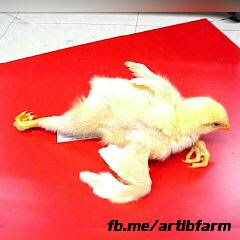
Sudden death syndrome is a form of metabolic disorder that has to do with a condition in which a physically healthy fast growing broiler chicks suddenly die from no apparent causes. It is usually accompanied with a short wing beating convulsion prior to the death so that many affected birds are found lying on their back. It is therefore called ' flip over disease ' but that does not mean that dead birds cannot lie on the chest, due to flaccid paralysis. SDS has been one of the major problem in broiler industry in many parts of the world as it can affect the bird of all ages started from day 2 till the market age. Peak mortality normally occur between 3 to 4 weeks of age. Also, it affects male birds than female counterpart. In most cases, it majorly attacks fast growing broilers due to heart failure or fat build up around liver and lungs. Causes Of SDS The cause of SDS is not clear, but it is believed to be a metabolic disease related to high carbohydrate intake. T...

Fowl Cholera (Pasteurellosis)

Image
Fowl Cholera is a serious, highly contagious bacterial disease that affect a range of avian species like chickens, turkeys, and water fowl. It may be acute with sudden death. The route of infection is oral or nasal with transmission via nasal exudate, faeces, contaminated soil, equipment, and people.  Other names are Avian Pasteurellosis and Avian Hemorrhagic Septicemia . Cause Fowl cholera is caused by the bacterium Pasteurella multocida . The incubation period is usually 5-8 days. The bacterium is easily destroyed by environmental factors and disinfectants, but may persist for prolonged periods in soil and other carriers like rodents, cats and pigs. Predisposing factors include high density and concurrent infections such as Upper Respiratory Disease . Symptoms a) Affected birds may show symptoms including: * fever * bluish discolouration of the skin, wattle and comb (cyanosis) * loss of appetite * ruffled feathers * mucous discharge from the mouth * green watery diarr...

Botulism: Causes And Preventive Measures

Image
Botulism is a disease characterised by paralysis of the neck and limbs of poultry. Usually, a number of birds are affected and they quickly succumb. It can attack all domestic poultry including fowls, turkeys, water fowl, pheasants, emus and most wild birds. Carrion-eating birds can withstand large doses of the toxin without showing any symptoms. It is otherwise known as Limberneck and scientifically referred to as Clostridium botulinum . Causes   * It is mainly caused by ingestion of a toxin produced by Clostridium botulinum; a bacterium in decaying animal and vegetable matter. * Botulism occurs sporadically in poultry raised under conditions where hygiene is poor and birds have access to contaminated material. * Wild birds may contaminate domestic poultry feed or water supplies which, when ingested, may lead to infection or disease. Symptoms Symptoms of botulism start to appear 12 to 48 hours after the toxin has been ingested. The symptoms are as follow: * Affected birds w...

Fowl Pox: Causes And Control Measures

Image
Fowlpox is the worldwide disease of poultry caused by viruses of the family Poxviridae and the genus Avipoxvirus. The viruses causing fowlpox are distinct from one another but antigenically similar, possible hosts including chickens, turkeys, quail, canaries, pigeons, and many other species of birds. Fowl pox virus is a slow spreading viral disease that causes skin lesions (dry pox) or diptheritic lesions (wet pox). The incidence of disease is variable depending on climate, management, hygiene, biosecurity, and use of a regular vaccination program. Symptoms/Lesions Dry pox results in scabs and lesions around the comb, wattle, ear lobes, and eyes. Wet pox lesions are associated with the oral cavity and the upper respiratory tract, especially the larynx and trachea. Wet pox is more serious, results in higher mortality, and is a source of current industry problems. The course of the disease in individual birds is from 10 to 14 days and base on a flock, it generally lasts 6 to 10 weeks....

Prolapse In Poultry: Causes And Treatment

Image
Prolapse vent in chickens is a condition in which the lower part of a hen’s oviduct turns inside out and protrudes through the vent. It is totally normal for the vent to temporarily prolapse when laying but definitely not normal for it to remain that way. It is a disease that majorly affect layers but that does not mean it cannot affect broilers, turkey or any other birds. Prolapsed vent is a serious condition that can be treated if detected early but likely to recur. It is also known as prolapsed oviduct or cloacal prolapse. Causes There are various factors that can contribute to prolapsed vent but soon of the major causes are: 1.) Diet – a lack of calcium and magnesium has been linked to vent prolapse. 2.) Weight – both being underweight or over weight can contribute to a vent prolapse. 3.) Age – a very young hen trying to pass a very large egg can lead to a vent prolapse. Older chickens that are obese and have lost muscle tone are also prone to vent prolapse. 4.) Infection ...

Mites: Poultry External Parasites

Image
There are three (3) major types mites as a form of ectoparasites in poultry. They are Red mite, Northern fowl mite and Scaly leg / Depluming mites. All types are capable of invading at anytime and cause several health issues which can negatively affect the birds, the farm owner's health and profit. 1. Red Mite The Red mite, Dermanyssus gallinae, is a blood sucking ectoparasite that can infest and feed on chickens and turkeys. They can invade at anytime especially during hot season. Red mite can be challenging to spot unless you have a population explosion whereby they are difficult to ignore. They are nocturnal so they hide in crevices of the poultry house during the day and emerge at night to crawl up the bird’s legs to feed on the chicken's blood. 2. Northern fowl mite Northern fowl mite, Ornithonyssus bursae, is an oval shaped mite about 1mm in size. It starts its life as a pale grey colour, then start feeding on chicken's blood till it becomes engorged mite of a bl...

Pododermatitis (Bumblefoot)

Image
Bumblefoot (ulcerative pododermatitis) is a bacterial infection and inflammatory reaction on the feet of birds, rodents, and rabbits. Pododermatitis is referred to as "sore hocks" when it affects a rabbit and "bumblefoot" when it affects a bird. We centralise our discussion on birds as it majorly affect male, heavy birds. Bumblefoot is a common infection for domesticated poultry and waterfowl such as chickens, ducks and quails. Causes Injury to the lower surface of the foot due to walking on rough perches, splinters, wired floors, and poor litter of bedding quality; then infected with staphylococcus bacteria. In other words, constant walking on hard, rough, or sharp surfaces, birds can develop small wounds on the bottom of their feet. These wounds are very susceptible to infection by opportunistic bacterial pathogens, chiefly Staphylococcus aureus. Signs Some of the major signs are lameness, swelling of the foot pad and hard, pus filled abscess on the foot pad....

How To Diagnose Poultry Infections From Their Poops

Image
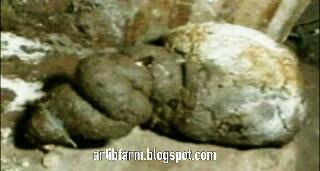
The two major types of poultry dropping are normal and abnormal poops. Although, the chicken droppings (poops) can vary in shapes, colours, textures and even odour. The Main factor that contribute to that may be as a result of diet in their feeds or diseases/infections. The atmospheric conditions may be a collaborating factor as chicken drink more water in hot weather which can make their droppings watery. By close observation, one will be able to determine if there is health problem among the birds. This may not be 100% accurate but it majorly gives insight of necessary steps to take in poultry health management. This article will be helpful in analysis of normal droppings according to the diet and other factors for you not worry unnecessarily. Normal dropping is of shade of brown, solid with a small covered white on top. The solid part is the feaces while the white part is the uric acid (urine). Other colours of droppings may range from brown to green, yellow, black, blue, orange, wa...

Nervous Signs And Lameness

Image
This is the type of muscular disease that mainly affect the poultry limbs (wings and legs) and disallow free movement of chicken from one place to another. It is sometimes refers to as Locomotor disease. Signs in sick chickens Signs may vary, but usually chickens lie down because they cannot stand erect. They are reluctant to move or limping when movement is compulsory. Nervous signs may include staring into the sky for not knowing where they are, pulling the head and neck over their backs, paralysis and sores on the breast muscles from lying down. Other signs are crooked toes, swollen hocks, hyper-extended or rubbery legs. Causes   There are many different types of organisms that can cause nervous signs and lameness. These include: * Bacteria (Salmonella, Botulism) * Viruses (Newcastle disease, Mareks disease, avian encephalo- myelitis) * Fungi (Aspergillus) Treatment A complete hygiene and disinfection programme should be planned together with the animal health technici...

Coccidiosis: Causes And Treatment

Image
Coccidiosis is the parasite that damages the intestinal wall of the chickens and other poultry animals. There are varieties of coccidiosis with various effects on birds from harmless to the life threatening one. Causes The six species of the causative organism (Eimeria) which are generally significant for chickens are E. tenella, E. mitis, E. brunetti, E. necatrix, E. Acervulina and E. maxima. The life cycle starts as an unsporulated oocyst: an egg containing early stage of coccidiosis which is yet to develop. The oocyst sporulates when eaten by chicken within the time as little as 24 hrs under optimum condition of 25 - 30•C. Treatment For the purpose of treatment and prevention of coccidiosis, it is unimportant to ascertain which species of Eimeria is causing disease in your birds as in many cases, several diseases may be working together to cause the disease. The treatment of coccidiosis generally involves three components which are as follows: 1. Kill the coccidiosis in the bi...

Drop In Egg Production Or Quality

Image
If drop in egg production affect your laying birds, you will notice that the hens are not producing as many eggs as they should for their age, you may see unusually shaped eggs: eggs with no shell, soft eggs, eggs that break easily, or that have abnormal contents when you break them and this will make people buying eggs from you to complain of poor quality. The only way these changes will be noticed is if you keep good records. Causes There are many different types of organisms that can cause a drop in egg production or quality. These include: ~ Bacteria (E. coli, Salmonella). ~ Mycoplasma. ~ Viruses (Newcastle disease, influenza, infectious bronchitis, infectious laryngotracheitis, avian encephalomyelitis, egg drop syndrome) Parasites. ~ Inadequate quantity and quality of feed.  ~ Insufficient lighting system and time, layers need at least 16 hours of light on daily basis throughout the laying period.  ~ Invasion of ectoparasites like Mites and Lice.  ...

Upper Respiratory Diseases

Image
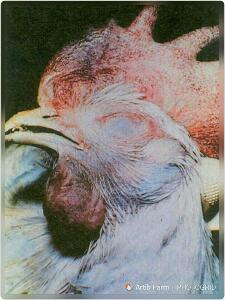
This can easily be described as a poultry disease that affect the trachea (windpipe) and entire respiratory system of poultry in such a way that the sinuses of the chicken i.e the area between the eye and the beak are swollen. These may be swollen in such a way that the eyes are closed. Signs in sick chickens   Tears and wetness often occur around the eyes and nostrils. The discharge from the nostrils may look like clear water in the early stages but can become cloudy and yellow when secondary bacterial infections cause complications.  • Sneezing • Coughing • Difficulty in breathing. They breathe with an open beak and you can hear a snoring or clicking sound • Loss of appetite • Weakness • Weight loss Some signs found in dead chickens are very red windpipe and throat. Fluid can be stored in the windpipe of the affected chicken. Causes There are many different types of organisms that can cause disease in the upper respiratory tract. The causative organism...

Newcastle Disease: Symptoms And Prevention

Image
Newcastle disease is probably the most important disease for poultry farmers around the world. This is a production disease that causes a large number of deaths in chickens and huge losses to farmers and the industry as there is no treatment, it can only be prevented, and the disease spreads so quickly. Therefore, sick chickens should be slaughtered immediately. This disease is caused by a virus. Signs in sick chickens A large number of chickens will die suddenly with or without any of the following apparent signs: * Depression * Nervous signs * Sneezing, swollen eyes, difficulty in breathing * Diarrhoea * Death Treatment   There is NO treatment for the disease and all the chickens may die within a few days. Very few chickens survive. It is best to prevent the diseases by good management and a vaccination programme. Your animal health technician or veterinarian will give you the best advice in a Newcastle disease outbreak, especially as this is a controlled disease. Preve...

Poultry Diarrhea: Causes And Treatment

Image
Poultry diarrhea which is also known as scours or dirty vent can affect all poultry animals. In the infected birds, the stool or droppings of the chickens are not firm but very loose, watery, not of the normal colour, may contain blood and this may cause the feathers of the vent to be soiled and caked together. Signs in sick chickens    • Depression.  • Reluctance to eat, drink and move.   • Poor growth.  • Death.  The following signs may be noticed in dead chickens are: • Poor condition.  • The intestines may be red and swollen and the contents watery.  • There may also be a yellow butter-like substance around the heart, liver and intestines. Causes There are many different types of organisms that can cause diarrhoea, which include: • Bacteria (Salmonella, E. coli, Pasteurella) • Viruses (Newcastle disease, gumboro disease) • Parasites (coccidiosis, worms) • Fungi (Candida, Aspergillus) Treatment 1. Use an anti...

Poultry Worms: Types, Symptoms And Treatment

Image
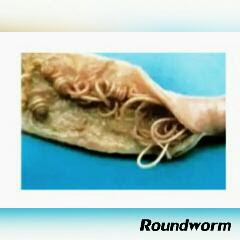
Poultry worms are endoparasites of different forms that negatively affect the poultry gut and respiratory system. In any kind of poultry, worms will impair the health of the bird to a degree because they are taking the nutrients out of the food of their hosts which will lead to weight loss in your birds, or they may not be growing at the rate they should be. Worms can damage the digestive tract of the birds which can lead to other infections. There will be a drop in egg production and the birds may seem unhealthy and listless. Discussing the life cycle of worms may seem unnecessary but it is one of the most common ailments for poultry. Hence, it is very significant to know the symptoms, treatment and preventive measures you can take to protect your birds. There are a number of different kinds of worms. Here are some common ones that are known to affect poultry animals: 1. Roundworm: Hair worm, Thread worm Hair worm and thread worm are classes of roundworm which can be found in the o...