Posts

Showing posts with the label Turkey Farming

The Smart Additives That Actually Save You Money — Not the Ones You're Told to Buy

Image
Some additives on the market promise miracles. Most don’t deliver. But a few — the quiet, science-backed ones — actually save you money because they help the bird use feed better, stay healthier, and waste less energy. That’s the real win. Not magic powders. Not “secret boosters.” Just biology doing its job. Modern poultry feed isn’t cheap, so anything that helps a bird digest more of what you’ve already paid for is an investment, not an expense. Three categories consistently stand out: probiotics, enzymes, and toxin binders. Each one solves a different problem, and when used right, they pay for themselves. Start with probiotics. Think of them as helpful bacteria that keep the gut calm and efficient. Birds with a balanced gut digest feed faster, absorb nutrients better, and fight off bad microbes before they get a chance to cause trouble. This reduces diarrhea, improves weight gain, and cuts down on drug use. It’s not magic — it’s simply supporting the engine where all growth actually ...

The Invisible Gas That Damages Your Flock Before You Notice

Image
Ammonia is the silent troublemaker in a poultry house. You don’t see it, but your birds feel it. Watery eyes, slow growth, noisy breathing and that harsh smell that tells you something is already going wrong. Here’s what matters. Ammonia doesn’t rise because your birds are “stubborn” or because the season is bad. It rises because moisture, poor airflow, and wet litter create the perfect gas factory. Fix those three for your birds breathe easier and grow better. Let’s break down five practical ways to keep ammonia low without spending your whole profit. First, open up that house. Ventilation is your strongest weapon. Fresh air dilutes ammonia faster than any product on the shelf. Even in cold weather, you need controlled airflow. Small gaps, lifted curtains, a simple vent window — anything that keeps stale air moving out and fresh air coming in. Second, don’t let your litter stay wet. Wet litter is ammonia’s home base. Turn it. Break crusts. Replace patches that are soaked. If you can f...

Want fatter broilers without wasting feed?

Image
Every farmer asks this, but the answer isn’t inside some miracle supplement. It’s hidden in the quiet partnership between protein and energy. When those two fall out of balance, your birds eat plenty but grow like they’re dragging their feet. When they line up perfectly, feed turns into muscle with almost no waste. That’s the sweet spot we’re chasing. Here’s what matters. Broilers grow on two currencies: protein for muscle and energy for everything else. If the feed has too much energy and not enough protein, the birds store fat instead of building meat. If it has plenty of protein but low energy, the birds burn the protein just to stay alive. Either way, you pay for feed that never becomes weight. A balanced diet solves that headache. You want enough energy to fuel the bird’s metabolism, and enough protein—especially digestible amino acids—to build breast, thighs, and drumsticks. When both match the bird’s growth stage, your feed conversion suddenly behaves like it should. Let me ex...

Herbal feed boosters that actually work

Image
You can almost feel it when your birds aren’t performing the way they should. They’re eating, but something is missing. Growth feels slow. Immunity feels shaky. Stress creeps in quietly. And here’s the twist most farmers never see coming: the answer might already be in your kitchen. Herbs that many people ignore - cloves, garlic, ginger, cinnamon can flip the entire energy of a flock. Not superstition, not trial and error but real plant power with real results. Cloves Cloves act like tiny guardians in your birds’ gut. The eugenol inside them fights off harmful microbes and steadies digestion. Birds start converting feed better, and you can literally see the difference in their body weight. Use 0.5 to 1 gram per kilo of feed for chicks, up to 2 grams for older birds, or boil a clove or two per liter of water a few times a week. Garlic Garlic brings that bold hit of allicin—strong enough to lift immunity and help birds hold their ground during disease pressure. Crush one clove per lite...

Bitter Leaf and Neem: Powerful Poultry Herbs, Just Don’t Mix Them Carelessly

Image
Many farmers swear by bitter leaf and neem as natural health boosters for poultry. They’re right, both plants are packed with compounds that fight disease and support immunity. But here’s where most people go wrong: mixing them together like a herbal cocktail. That combination might do more harm than good. Let’s quickly unpack it. Bitter Leaf (Vernonia amygdalina) This plant is a natural detoxifier. It flushes out toxins, improves appetite, and supports liver function which are all crucial for growth and feed conversion. Its bitter compounds also help control coccidiosis and intestinal worms when used moderately. Think of it as a gentle cleanser that helps your birds stay sharp and eat well. Neem (Azadirachta indica) Neem is tougher medicine. It’s antiviral, antibacterial, antifungal, and antiparasitic. Farmers use neem tea or soaked leaves to control infections like Newcastle or bacterial diarrhea. It strengthens the immune system and repels insects naturally. But it’s also very poten...

Why Cloves Are a Poultry Farmer’s Secret Weapon? How Can They Be Used Right?

Image
If you have ever wondered how to naturally boost your flock’s health, cloves might be the little powerhouse you’ve been overlooking. Not just a kitchen spice, cloves pack a punch in poultry farming and your birds will thank you. What Makes Cloves Special? Cloves contain eugenol , a compound with antibacterial , antiviral , and antioxidant properties . That’s a fancy way of saying cloves help fight infections, reduce gut stress, and even improve digestion. In practical terms, healthy guts mean better feed absorption, stronger immunity, and more vigorous growth for your birds. Key Benefits for Your Flock: • Improved immunity: Cloves help ward off common infections naturally. • Better digestion: Stimulates enzyme activity and gut health. • Enhanced growth: Healthier birds eat better and convert feed more efficiently. • Natural antimicrobial support: Reduces risks from harmful bacteria in the water and feed. How to Use Cloves in Poultry: 1. In Feed: Crush or grind the cloves into a fine ...

Avian Influenza (Bird Flu)

Image
Bird flu (Avian influenza) top the list of most deadly viral diseases challenging the poultry industry. It has the incubation period of 2 to 7 days and capable of wiping the entire flock before you can even contact a veterinary doctor, if care is not taken. Bird flu is caused by Type A viruses which are commonly found in wild birds like waterfowl. A wild bird can be a carrier of bird flu without being sick but once it is spread to domestic birds and Psittacines like parrot, the impact is often fatal. Another danger of it is that it can be transmitted from infected birds to human being. Causes Of Bird Flu The disease is caused by viruses that belong to the family Orthomyxoviridae . The viruses have two surface proteins; haemagglutinin and neuraminidase which determine their subtype and the animal species they infect. There are 16 haemagglutinin and 9 neuraminidase types. When viruses of the two haemagglutinin types (H5 and H7) infect domestic poultry, they often mutate and virulen...

Poultry Ascites: Prevention And Treatment

Image
Ascites (water belly) is a disease that enhances accumulation of fluids in a bird's abdominal cavity. The fluid may contain yellow protein clots to produce yellowish tinge. This condition is extremely common in high altitude and more particularly during winter (cooler) season of the year. Ascites is associated with inadequate supply of oxygen, poor ventilation and respiratory diseases. The disease mostly attack meat producing birds like Turkey , Broiler and Duck. The cause of this disease is common attributed to pulmonary hypertension resulting in the failure of the right ventricle. Causes Apart from the fact that anything that limits oxygen uptake can cause the heart to work harder, diseases of the lungs and liver caused by aflatoxin from plants/feed contents. Poor ventilation may be involved and some of the causes of Oxygen deficiency ( hypoxia ) are: 1) Presence of ammonia in the poultry house reduces the oxygen level. 2) Chilling is a common cause in small flocks i...

Commercial (Domestic) Turkey

Image
The domestic turkey (Meleagris gallopavo) is a large fowl, one of the two species in the genus Meleagris and the same as the wild turkey. Although turkey domestication was thought to have occurred in central Mesoamerica at least 2,000 years ago, recent research suggests a possible second domestication event in the Southwestern United States between 200 B.C and 500 A.D. However, all of the main domestic turkey varieties today descend from the turkey raised in central Mexico that was subsequently imported into Europe by the Spanish in the 16th century. Turkey can be reared in commercial quantity mainly for meat production and turkey breeding (hatchery). The major breeds of turkey are Large White, Broad Breasted Bronze and Small White. Large White and Broad Breasted Bronze are large birds which can reach 11 kg in 24 weeks. Small White can only reach 6.5 kg in 16 weeks. Large White Turkey  The details of breeds of turkey are as follow: 1.) The Broad Breasted White: This is th...

Medication And Vaccination Schedule For Turkey

Image
Health management cannot be neglected in any breed of commercial bird, turkey is not an exemption. It appears that turkeys are susceptible to diseases like Blackhead (Histomoniasis), newcastle disease, fowl cholera, fowl pox and Haemorrhagic enteritis. This make them to require higher level of management skill than any other other domestic fowls. High priority must be on Biosecurity to control infectious disease and minimize introduction of pathogens into flocks. The four primary causes of disease are genetics, nutrition, environment and infection. Biosecurity is the use of measures which can stop or slow down the spread of infection between components of production systems like managing people, equipment, pests and their potential for carrying diseases into a flock. Below is the guide to medication and vaccination schedule for turkey. Be reminded that Marek's subcutaneous injection is usually given to turkey at hatchery. Day 1 - Glucose or multivitamins to reduce trans...

The General Way Of Brooding Chicks

Image
Chicks are newly hatched chickens. Chicks must be kept in a warm and safe environment. A child’s wading pool is a good choice for brooding Turkeys , Broilers , Layers , Cockerels , Noilers and even Ducks as such a place can be easily cleaned and have no corner that can cause chicks pile up and stampede of one another. Brooding is a crucial point in the bird's growth and development, it also helps in boosting bird's immunity against diseases. Failed brooding promotes stunted growth and spread of poultry infections. Before the chicks arrival, you need to need to determine the space requirement. The feed and space requirements is based on the type of the bird, be it Broiler , Noiler , Layer , Cockerel or Turkey . The next step is to clean and disinfect the space, other facilities like drinkers, feeders, buckets thoroughly with detergent and disinfectant. You need to evenly fill the brooder with few inches of wood shavings or cob litter but never use saw dust, it cont...

Feed And Space Requirement For Turkey

Image
Just like Broilers , turkeys are meant for commercial meat production but they are bigger than broiler; they therefore demand more space and feed requirement. Added advantage is that turkeys cannot only lay eggs but also hatch the eggs on their own. Farmer just need to move away the Poults from the turkey for Proper Brooding Of The Poults . Good feeding program helps rapid growth while accurate spacing prevents overcrowding which can cause pecking and cannibalism. In the presence of other factors like good Biosecurity, quality air flow and perfect turkey breed, proper feeding and spacing program enhance commercial turkey farming. Feed Requirement The types of feed required by turkey are just classified based on their protein content. The quantity of feed required depends on the breed and age. Small White do not consume much feed like Large White or Large Breasted Bronze. Based on feed protein content, a poult of day old to 8 weeks feed on turkey starter feed with 28% protein. 22...

How To Brood Poults

Image
Turkey chicks (younger turkeys) are referred to as POULTS, from day old till the first four to six weeks of their life depending on the turkey breed. The THREE major breeds of turkey are Large White, Broad Breasted Bronze and Small White. Large White and Broad Breasted Bronze are large birds, they can reach 11 kg in 24 weeks. Small White can only reach 6.5 kg in 16 weeks. In brooding the Poults, the procedures can be divided into two categories i.e Before The Poults Arrival and After The Poults Arrival. Below are the steps to be taken in both categories: Fig 1: A poult (Day Old turkey) A.) Before Arrival Of The Poults 1. You need to decide early on the breed of turkey you want; large or small breed, foreign or local breed? 2. Clean and disinfect housing facilities using detergent and disinfectant. The walls, ceiling, floor and all equipment should be thoroughly washed and dried. Equipment like feeders, feeding tray, waterers, bowls and buckets may be soaked in a solution of ap...

Organic Poultry Farming - The Use Of Spices

Image
Spices are useful in our day to day activities especially for cooking of food. Only few people know that these spices can also be used to cure certain ailments in the poultry flock. It simply means that you cannot only cook your chicken with spices but also use the same spices to treat certain poultry infections. Ginger, pepper, salt, garlic, aloe vera, turmeric and sour milk are just among the food and spices that are medicinal in nature. They are therefore essentially required by farmers practising organic farming. Below are some medicinal spices and their ethno-veterinary importance: 1.) Garlic Garlic is a family of onions. It boosts birds' immunity, fights respiratory diseases and also produces sulphur in the body. It can therefore kill external parasites because the sulphur in the chicken's blood will overpower the parasites. Just add 3 cloves of garlic to 5 litres of water or a pinch or two of powdered garlic in dry feeds everyday. 2.) Ginger Ginger has antiviral...

How to Trim Chicken Beaks, Claws, and Spurs

Image
A chicken’s spurs, claws, and beak are made of keratin; the same substance as your finger and toenails. This make them grow continually. Chickens in extensive system have their claws and beaks naturally wear down as they grow. But for intensive or backyard system, sometimes chicken beaks and claws grow too long and need to be trimmed. A rooster’s spurs, too, can grow too long for the bird’s comfort or safety. Beak Trimming Beak is used by chickens to gather food, explore and manipulating objects in the environment. Beak is also used for preening, nesting and engaging in social interactions. A chicken beak that grows improperly interferes with the chicken’s ability to eat and enjoy other activities necessary for its well-being. Chicken beak trimming is not the same as debeaking which refers to cutting so much from a beak that it remains permanently short to prevent cannibalism. How To Trim Your Chicken’s Beak * Wrap your chicken in a towel. This should keep them calm an...

How To Diagnose Poultry Infections From Their Poops

Image
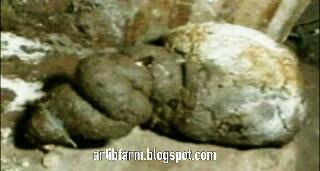
The two major types of poultry dropping are normal and abnormal poops. Although, the chicken droppings (poops) can vary in shapes, colours, textures and even odour. The Main factor that contribute to that may be as a result of diet in their feeds or diseases/infections. The atmospheric conditions may be a collaborating factor as chicken drink more water in hot weather which can make their droppings watery. By close observation, one will be able to determine if there is health problem among the birds. This may not be 100% accurate but it majorly gives insight of necessary steps to take in poultry health management. This article will be helpful in analysis of normal droppings according to the diet and other factors for you not worry unnecessarily. Normal dropping is of shade of brown, solid with a small covered white on top. The solid part is the feaces while the white part is the uric acid (urine). Other colours of droppings may range from brown to green, yellow, black, blue, orange, wa...

How To Prevent Poultry Early Mortality

Image
One of the discouraging factors in poultry business is early mortality in birds or chickens. One gets confused to lose 3 of 10 acquired birds within a day or two. One will be imagining what could happen in the next four to five days. What is early mortality? What are its effects and preventive measures? There are about eight causes and preventive measures of early mortality in birds as discussed below: #1. Antibiotic Injection Early chick mortality is resulted from e-coli and staphylococcal infections. This can be prevented by given Gentamicin at day old. Most hatcheries give vaccination against Marek disease to their chicks at day old. #2. Temperature Management Temperature regulation is essential for chicks, specifically in their first 3 weeks. Chicks will need warmth till about 4 weeks. Heat may be required or not after 4 weeks depending on the environmental conditions.    High brooding temperature can cause dehydration when about 10% out of the 70% of water i...

How To Recognize Healthy And Sick Birds

Image
An important skill for all poultry farmers to have is the ability to differentiate between healthy and sick birds. It is normal when a flock is diseased to find healthy birds and those with varying degrees of illness. It is then necessary to be able to tell as early as possible when some of the birds in the pen are sick. While the manager may be able to identify some diseases from available evidence, it is unlikely that they will be able to identify all. However, the sooner a disease is noticed in the flock, the sooner appropriate action can be taken. This may include initiation of a medication program, send specimens to the laboratory for examination and diagnosis, and to call in expert for advice. Early action not only gives the manager a chance to cure the condition but it may help prevent it spreading to other stock. A healthy bird will: * Be active and alert. * Be normal size/weight for the strain, age and sex. * Have no lameness or paralysis. * Have no injuries. * Have no ...