Posts

How To Generally Prevent Poultry Diseases
Image
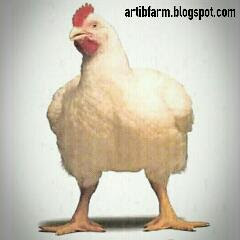
One of the major challenges in poultry business is disease/infection of the birds. It negatively affect the growth, development and even farmer's profit. Poultry are kept for various reasons like being a source of meat, income and job opportunity. It can be kept by anyone, even in your backyards. Poultry disease is not only caused by pathogens. There are other important factors that should be properly attended to. The factors are MANAGEMENT, ENVIRONMENT and CHICKEN BREED. Healthy birds eat less feed and produce more meat and eggs. They are not only cost effective but also less trouble to cater for. Spread Of Diseases Poultry diseases spread quickly as the birds are kept together in a chicken house or cage. They share things like feeders and water bowls together which can spread infection from sick birds to healthy ones. As earlier said, factors that can contribute to poultry diseases are Management, Environment and Chicken breed. Let's now discuss the factors one after...

Essential Nutrients For Poultry

Image
This article mainly consider mineral and vitamins as the essential nutrients for poultry. In the context of nutrition, a mineral is a chemical element required as an essential nutrient by organisms to perform functions necessary for life. Minerals originate in the earth and cannot be made by living organisms while Wikipedia defines a vitamin as an organic molecule (or related set of molecules) which is an essential micronutrient. That is, a substance which an organism needs in small quantities for the proper functioning of its metabolism but cannot synthesize, either at all or in sufficient quantities, and therefore must obtain through its diet. One of the major problem related to domestic and commercial poultry farming is poor or inadequate feeding programme which results to vitamin and mineral deficiencies for the birds. This leads to deficiency diseases, especially when formulated feed are not used. Minerals Minerals are important to the growth, development and overall health of ...

How To Diagnose Poultry Infections From Their Poops

Image
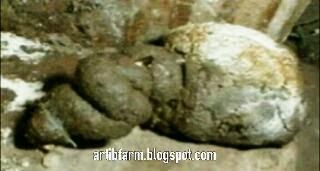
The two major types of poultry dropping are normal and abnormal poops. Although, the chicken droppings (poops) can vary in shapes, colours, textures and even odour. The Main factor that contribute to that may be as a result of diet in their feeds or diseases/infections. The atmospheric conditions may be a collaborating factor as chicken drink more water in hot weather which can make their droppings watery. By close observation, one will be able to determine if there is health problem among the birds. This may not be 100% accurate but it majorly gives insight of necessary steps to take in poultry health management. This article will be helpful in analysis of normal droppings according to the diet and other factors for you not worry unnecessarily. Normal dropping is of shade of brown, solid with a small covered white on top. The solid part is the feaces while the white part is the uric acid (urine). Other colours of droppings may range from brown to green, yellow, black, blue, orange, wa...

Nervous Signs And Lameness

Image
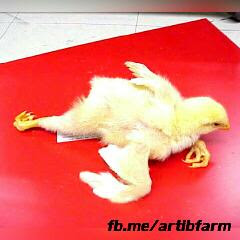
This is the type of muscular disease that mainly affect the poultry limbs (wings and legs) and disallow free movement of chicken from one place to another. It is sometimes refers to as Locomotor disease. Signs in sick chickens Signs may vary, but usually chickens lie down because they cannot stand erect. They are reluctant to move or limping when movement is compulsory. Nervous signs may include staring into the sky for not knowing where they are, pulling the head and neck over their backs, paralysis and sores on the breast muscles from lying down. Other signs are crooked toes, swollen hocks, hyper-extended or rubbery legs. Causes   There are many different types of organisms that can cause nervous signs and lameness. These include: * Bacteria (Salmonella, Botulism) * Viruses (Newcastle disease, Mareks disease, avian encephalo- myelitis) * Fungi (Aspergillus) Treatment A complete hygiene and disinfection programme should be planned together with the animal health technici...

Coccidiosis: Causes And Treatment

Image
Coccidiosis is the parasite that damages the intestinal wall of the chickens and other poultry animals. There are varieties of coccidiosis with various effects on birds from harmless to the life threatening one. Causes The six species of the causative organism (Eimeria) which are generally significant for chickens are E. tenella, E. mitis, E. brunetti, E. necatrix, E. Acervulina and E. maxima. The life cycle starts as an unsporulated oocyst: an egg containing early stage of coccidiosis which is yet to develop. The oocyst sporulates when eaten by chicken within the time as little as 24 hrs under optimum condition of 25 - 30•C. Treatment For the purpose of treatment and prevention of coccidiosis, it is unimportant to ascertain which species of Eimeria is causing disease in your birds as in many cases, several diseases may be working together to cause the disease. The treatment of coccidiosis generally involves three components which are as follows: 1. Kill the coccidiosis in the bi...

Drop In Egg Production Or Quality

Image
If drop in egg production affect your laying birds, you will notice that the hens are not producing as many eggs as they should for their age, you may see unusually shaped eggs: eggs with no shell, soft eggs, eggs that break easily, or that have abnormal contents when you break them and this will make people buying eggs from you to complain of poor quality. The only way these changes will be noticed is if you keep good records. Causes There are many different types of organisms that can cause a drop in egg production or quality. These include: ~ Bacteria (E. coli, Salmonella). ~ Mycoplasma. ~ Viruses (Newcastle disease, influenza, infectious bronchitis, infectious laryngotracheitis, avian encephalomyelitis, egg drop syndrome) Parasites. ~ Inadequate quantity and quality of feed.  ~ Insufficient lighting system and time, layers need at least 16 hours of light on daily basis throughout the laying period.  ~ Invasion of ectoparasites like Mites and Lice.  ...

Upper Respiratory Diseases

Image
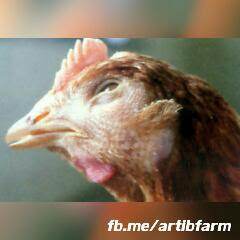
This can easily be described as a poultry disease that affect the trachea (windpipe) and entire respiratory system of poultry in such a way that the sinuses of the chicken i.e the area between the eye and the beak are swollen. These may be swollen in such a way that the eyes are closed. Signs in sick chickens   Tears and wetness often occur around the eyes and nostrils. The discharge from the nostrils may look like clear water in the early stages but can become cloudy and yellow when secondary bacterial infections cause complications.  • Sneezing • Coughing • Difficulty in breathing. They breathe with an open beak and you can hear a snoring or clicking sound • Loss of appetite • Weakness • Weight loss Some signs found in dead chickens are very red windpipe and throat. Fluid can be stored in the windpipe of the affected chicken. Causes There are many different types of organisms that can cause disease in the upper respiratory tract. The causative organism...